
Investigations
As part of a diagnostic work-up for gastrointestinal (GI) symptoms it would be commonplace for you to have blood and/or stool samples taken. In addition to these initial tests, scans and/or endoscopic examination of either the upper or lower GI tract with biopsies and/or therapy maybe indicated.
Dr Baker also offers an advanced endoscopic ultrasound (EUS) examination, commonly used to assess the pancreas for cancer and look for stones, which are a common cause of unexplained abdominal pain.
The tests you require will depend on the type of symptoms you have and this will be explained to you during your consultation.
Consultant Gastroenterologist in Worcester
DR GRAHAM BAKER
Consultant Gastroenterologist

INVESTIGATIONS
Endoscopy
An endoscopy is a procedure where a part of the body is examined internally using an endoscope; a thin, flexible tube with a small camera on the end. Real-time high-definition images can be captured. Biopsy samples can be taken and therapy including polyp removal (polypectomy) can often all be carried out at the same time. All procedures are low-risk and can be performed with sedation for your comfort.

The Droitwich Spa Hospital, The Priory Hospital, Birmingham and the Nuffield Health, Cheltenham sites are all fully accredited by JAG.
ENDOSCOPY
Gastroscopy
A gastroscopy (OGD) is a camera examination of the gullet, stomach and first part of the small bowel. The endoscope is passed through the mouth and into the gullet and can be performed with either a local anaesthetic throat spray and/or with sedation administered via a tube placed in your vein for your comfort. You will be required to fast from eating for 6 hours prior to the test but will be permitted to take clear fluids up until 2 hours prior. The examination typically lasts no more than 5-10 minutes. It is a day case procedure and your hospital stay is typically less than 1 hour.
The procedure is commonly performed for symptoms such as reflux, indigestion, heartburn, swallowing difficulties, nausea, vomiting, abdominal pain and/or concerns about cancer.
ENDOSCOPY
Colonoscopy
A colonoscopy is a camera examination of the large bowel (colon). The colonoscope is passed through the back passage (anus) and around the large bowel and is typically performed under sedation or with the use of Entonox (‘gas and air’). The procedure time will vary from person to person depending on how their bowel has developed but is usually no more than 30-40 minutes. Your hospital stay is typically less than 2 hours.
The bowel needs to be clear in order to provide the endoscopist with optimal views of the bowel lining and so strong laxatives (‘bowel prep’) will need to be taken at home the day before the test. Information about how this is taken, along with the necessary fasting instructions will be provided in full prior to your procedure.
The procedure is typically performed for symptoms such as a change or alteration in the stool, diarrhoea, constipation, presence of blood or abdominal pain and/or concerns about polyps or bowel cancer.
ENDOSCOPY
Flexible Sigmoidoscopy
A flexible sigmoidoscopy is similar to a colonoscopy, but shorter as the examination is only of the left side of the large bowel. It will typically be performed after the administration of an enema to clear that side of the bowel, but full bowel prep is occasionally needed. The use of Entonox or sedation can be provided for your comfort if required.
The examination usually takes no more than 10 minutes and your hospital stay is typically less than 1 hour.
The indications for the procedure are similar to a colonoscopy.
ENDOSCOPY
Endoscopic Ultrasound
An endoscopic ultrasound (EUS) is a procedure which involves the passage of a flexible tube, similar to a gastroscopy (OGD), via the mouth and into the gullet, stomach and small bowel. It differs from an OGD as the tube has an ultrasound probe on the end of it to enable a detailed examination of the upper abdominal organs to be performed internally. The procedure is typically used to assess the pancreas for any signs of inflammation (chronic pancreatitis), cysts or lesions and to exclude and sample pancreatic cancer. We know that some cysts can become cancerous and so this is a common indication for having this procedure performed.
There are many other roles for an EUS which include; the evaluation of other lumps, including those which arise from under the surface lining the gullet, stomach and small bowel, as well as other abnormalities that are found on scans. It is also a way of providing an assessment for the presence of gallstones, including those small stones which could be causing pain and that might otherwise go undetected. The evaluation for stone disease by EUS can be helpful to determine whether stones are the cause for abdominal pain.
It is a day case procedure performed with sedation and may involve sampling (biopsy) of an area to help confirm a diagnosis. You will be required to fast from eating for 6 hours prior to the test but will be permitted to take clear fluids up until 2 hours prior. The procedure time varies but can typically last up to 30 minutes, depending on the indication and need for any sampling.
Scans
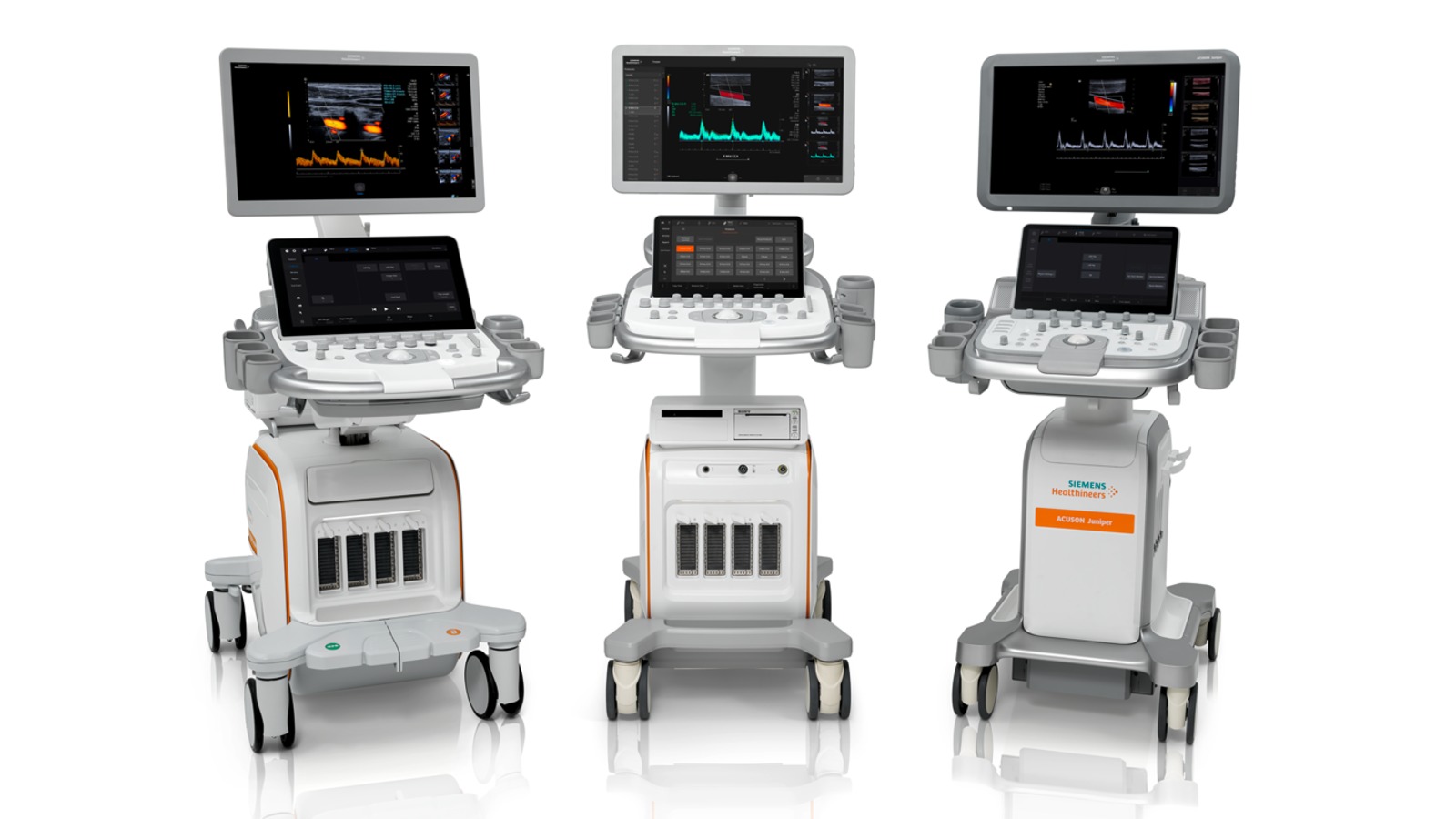
The types of scans that maybe required to investigate your symptoms include; ultrasound (USS), computerised tomography (CT) and magnetic resonance imaging (MRI). All of the scans provide detailed, high-quality resolution images of the abdominal organs and are interpreted by an expert GI radiologist. They may require the administration of contrast (dye) agents via a vein on the day of the scan and can sometimes require bowel preparation or additional medications to obtain the most optimal views. Timings will vary depending on the type of scan required but can be up to about 90 minutes in total duration.
The choice of investigation will be determined and discussed with you based on what is deemed the most appropriate for your individual circumstances and symptoms.
It is possible that you will require more than one type of scan, or other studies, that may need to be carried out at a different hospital.